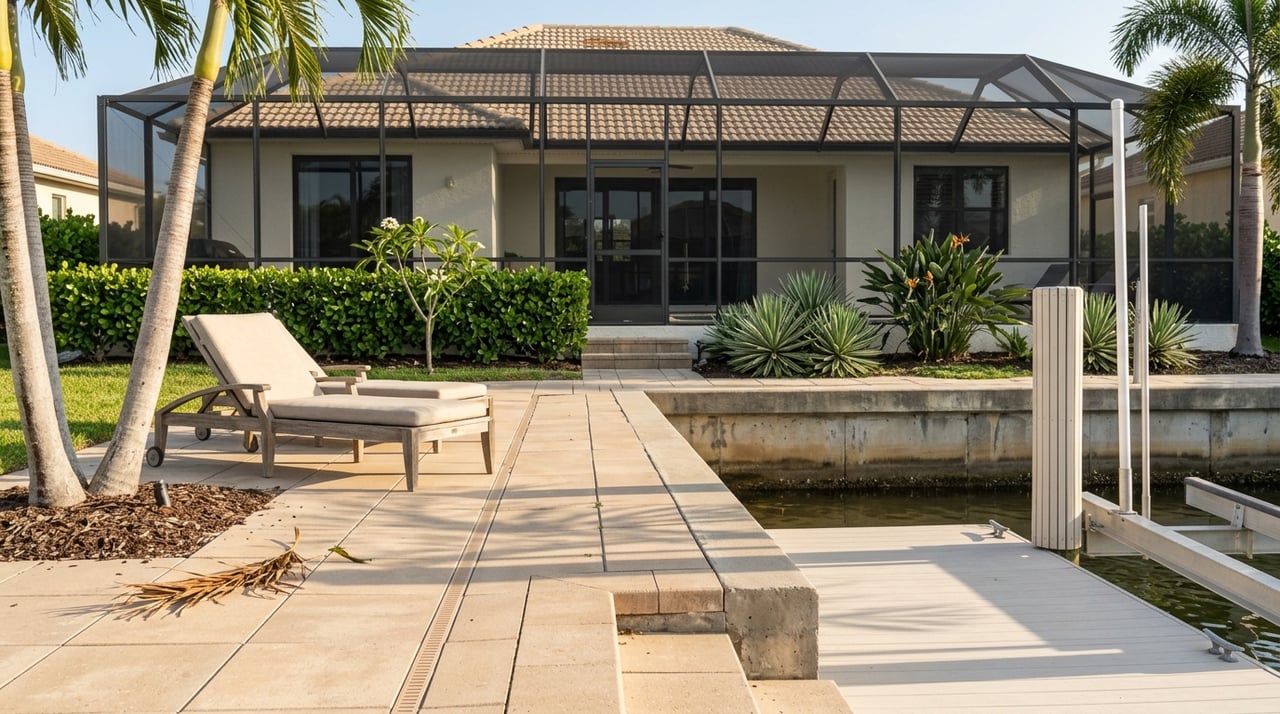
If you picture waterfront living in Punta Gorda as a long stretch of beach outside your back door, you may be surprised by what you actually find. This is a place where the water shapes daily life through harbors, canals, marinas, parks, and walking paths, not a resort-style beachfront strip. If you are wondering what it truly feels like to live on or near the water here, this guide will help you understand the lifestyle, the benefits, and the practical trade-offs. Let’s dive in.
Punta Gorda Waterfront Basics
Punta Gorda’s waterfront identity starts with Charlotte Harbor and the Peace River. The city’s history notes that its original layout followed the southern shore of the Peace River at Charlotte Harbor, with waterfront blocks set aside as parkland. Today, that legacy still shows up in the way public space, trails, and water access are woven into downtown life.
In everyday terms, Punta Gorda feels more harbor-and-canal oriented than beachfront. You will see boats, docks, marina activity, waterfront parks, and connected walking routes playing a much bigger role than sandy shoreline living. For many buyers, that is exactly the appeal.
Types of Waterfront in Punta Gorda
Not all waterfront living here looks or functions the same. That matters if you are trying to match your home search to the lifestyle you actually want.
Harborfront Living
Harborfront areas tend to offer wide water views, access to public parks, and proximity to downtown destinations. This setting often appeals to buyers who want scenery and walkability along with a strong connection to local events and public spaces.
Harborfront living can feel active and social. You are more likely to be near places like Harborwalk, Gilchrist Park, Laishley Park, and Fishermen’s Village rather than tucked into a quieter canal network.
Canal-Front Living
The city describes Punta Gorda Isles and Burnt Store Isles as having more than 50 miles of residential canals. Much of Punta Gorda Isles offers deep, wide canals and no fixed bridges for sailboat access, which is a major draw for serious boaters.
Canal-front living often brings a more residential feel. Instead of a broad harbor view, you may have a seawall, dock potential, and direct boating access that supports day-to-day time on the water.
River-Adjacent and Marina-Adjacent Areas
Some buyers want to be close to the water without needing a private dock behind the home. In those cases, river-adjacent or marina-adjacent settings near downtown, public parks, or launch points can make a lot of sense.
This option can work well if you want the waterfront atmosphere and easier access to amenities. It may also appeal to buyers who enjoy boating occasionally but do not want every housing decision tied to dock setup or canal depth.
Boating Is Part of the Culture
In Punta Gorda, boating is not a niche hobby added onto the lifestyle. It is one of the clearest ways people use and enjoy the area.
The city’s boating information highlights connections to Charlotte Harbor, the Peace River, the Myakka River, and Gulf access through Boca Grande Pass. That means the water here is part of a larger boating network, not an isolated feature.
Public Marina and Launch Options
Laishley Park Municipal Marina sits on Charlotte Harbor and the Peace River. It offers 85 boat slips, a public boat launch, public parking, and amenities like showers and laundry for boaters.
Ponce de Leon Park gives you another access point. The city describes it as the western-edge gateway to the Punta Gorda Isles canal system and Charlotte Harbor, and it includes trailer parking and a small beach area often enjoyed for sunsets.
Fishermen’s Village Marina adds another major option with more than 100 slips for vessels up to 120 feet in length overall and 6-foot draft, plus public docking and marina amenities. Together, these facilities reinforce that boating access here is built into the community.
What This Means for Buyers
If you are buying for boating, the details matter more than the label “waterfront.” Canal width, bridge clearance, marina proximity, and actual route to open water can shape your experience far more than a photo in a listing.
That is why many buyers benefit from slowing down and comparing how they plan to use the water. A home that works well for kayaking, sunset cruising, or seasonal dockage may be very different from one meant for larger sailboats or frequent Gulf trips.
You Do Not Need a Boat to Enjoy It
One of the biggest misconceptions about Punta Gorda waterfront living is that it is only for boat owners. In reality, much of the appeal comes from how easy it is to enjoy the water without leaving land.
Harborwalk is one of the best examples. City materials describe it as roughly 2.5 to 3 miles long, connecting public parks and downtown destinations between the city center and Fishermen’s Village.
The larger Punta Gorda Pathways system expands that idea even more. With about 18 miles of shared-use trails, it links neighborhoods, parks, and commercial areas in a way that makes the waterfront feel like part of your routine, not just a weekend destination.
Parks and Public Space Add to Daily Life
Gilchrist Park offers about 12 acres of Charlotte Harbor waterfront with pickleball, tennis, basketball, a playground, picnic areas, a gazebo, and a fishing pier. Laishley Park adds walking paths, an event lawn, an interactive fountain, Veterans Park, and nearby dining and retail.
These spaces make waterfront living feel usable and social. Even if you never launch a boat, you can still build a lifestyle around evening walks, outdoor recreation, community events, and time by the water.
Downtown Feels Connected to the Water
Punta Gorda’s downtown and waterfront are not separate worlds. The city’s layout and pathways create a close connection between the two, which is part of what gives the area its easygoing appeal.
Linear Park runs from the south end of the city center to Fishermen’s Village along a tidal canal. It connects to History Park, the library, restaurants, and shops, helping everyday errands and outings feel tied to the surrounding landscape.
The city’s activities page also points to a steady lineup of outdoor concerts, food and wine festivals, craft shows, holiday parades, and a bicycle-friendly street culture. That adds another layer to waterfront life here. It is not only about private views. It is also about being part of an outdoors-first community.
The Seasonal Rhythm Is Real
Punta Gorda waterfront living can be wonderful, but it does not feel the same all year. If you are considering a move, it helps to understand the seasonal pattern before you buy.
NOAA climate normals for Punta Gorda Charlotte County Airport show average highs around 75 degrees in January and about 92 to 93 degrees in July and August. Annual precipitation is near 53 inches, with the wettest period running from June through September.
That translates into a very familiar Southwest Florida rhythm. Winters tend to be more comfortable and active outdoors, while summers are hotter, more humid, and much rainier.
Why Seasonality Matters
The city’s history notes that Punta Gorda developed as a winter-season destination and later drew retirees interested in sunshine, fishing, and boating. That history still helps explain the area’s feel today.
For you as a buyer, seasonality affects how often you may boat, walk, entertain outside, or even simply leave sliders open to enjoy the breeze. The area remains active year-round, but the pace and feel do shift with weather and seasonal visitors.
Waterfront Living Comes With Planning
Living near the water is about more than the view. It also means paying attention to weather, flooding, and property-specific access details.
The city states that Atlantic hurricane season runs from June 1 through November 30. Its flood-readiness guidance says Punta Gorda’s biggest flood threats come from heavy summer thunderstorms as well as coastal storms, tropical storms, and hurricanes.
Flood Zones and Evacuation Zones Are Different
One practical point the city emphasizes is that flood zones and evacuation zones are not the same. It also notes that everyone lives in some flood zone and that standard homeowners insurance does not cover flooding.
For buyers, this is one of the most important reality checks. Before falling in love with a waterfront property, you will want to understand the flood zone, the evacuation zone, and how those factors may affect ownership costs and planning.
Check Access, Not Just Marketing
The city also makes clear that not every waterfront home offers the same type of boating access. Harborfront, riverfront, and canal-front settings differ, and canal access can vary by neighborhood and bridge clearance.
That means one of the smartest first steps is verifying whether a property’s actual water access matches the way you want to use it. For many buyers, this is the difference between buying a beautiful view and buying a lifestyle that truly fits.
Who Usually Loves Punta Gorda Waterfront Living
This lifestyle tends to fit buyers who value outdoor living, boating culture, public parks, and a slower coastal pace. It can be especially appealing if you want water nearby without the feel of a dense beachfront resort area.
It also works well for people who enjoy variety. On one day, that may mean a walk along Harborwalk. On another, it may mean launching a boat, meeting friends near the marina, or catching a community event downtown.
At the same time, waterfront living here is best for buyers who are comfortable asking practical questions. Weather patterns, access details, and insurance considerations are part of the package, and understanding them early can help you make a more confident decision.
If you are thinking about buying in Punta Gorda, a calm, local perspective can make a big difference. Jill Baldwin offers thoughtful guidance for buyers who want to understand not just what a property looks like, but what living there is really like.
FAQs
What is Punta Gorda waterfront living really like day to day?
- Punta Gorda waterfront living is usually centered on canals, Charlotte Harbor, marinas, parks, and walking paths, with daily life often shaped by outdoor recreation, boating culture, and a small downtown connected to the water.
Can you enjoy Punta Gorda waterfront living without owning a boat?
- Yes. Harborwalk, the Punta Gorda Pathways system, waterfront parks, downtown events, and public spaces give you many ways to enjoy the water even if you never own a boat.
Are all Punta Gorda waterfront homes direct Gulf access properties?
- No. Waterfront can mean harborfront, river-adjacent, marina-adjacent, or canal-front, and boating access can vary based on neighborhood layout and bridge clearance.
What should buyers check first with a Punta Gorda waterfront home?
- Buyers should first review the property’s flood zone, evacuation zone, and actual boating access to make sure the home fits both their lifestyle goals and practical ownership needs.
What is the weather pattern for Punta Gorda waterfront living?
- Punta Gorda typically has comfortable winters, hot and humid summers, and a rainy season that is strongest from June through September, so your outdoor routine may change with the seasons.
Why do so many buyers choose Punta Gorda for waterfront living?
- Many buyers are drawn to Punta Gorda because it offers water-focused living through canals, harbor views, marinas, trails, parks, and community events rather than a busy beachfront environment.