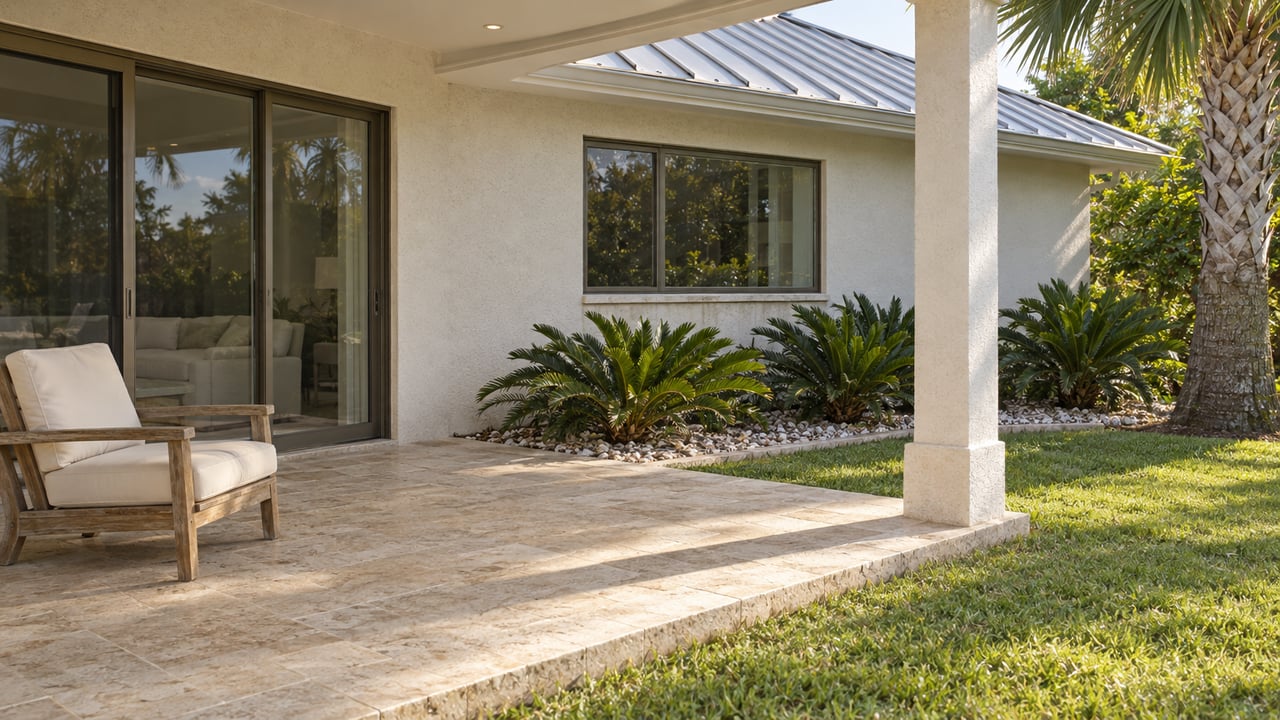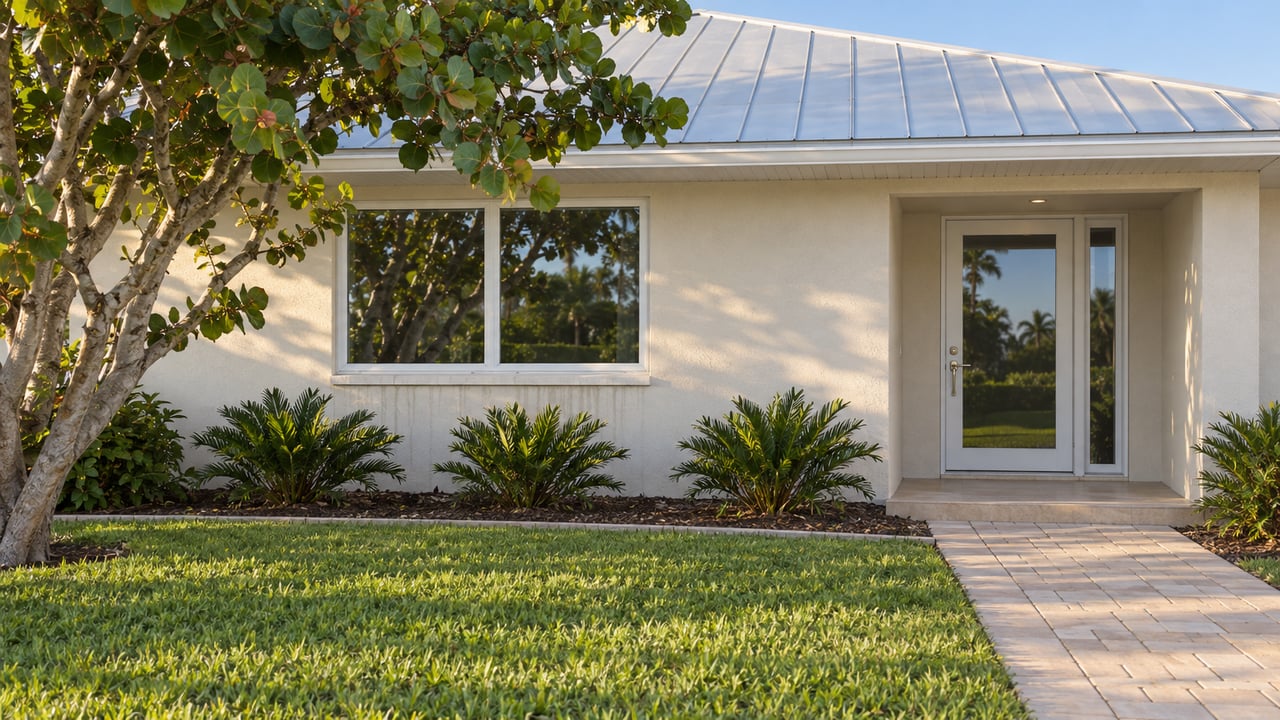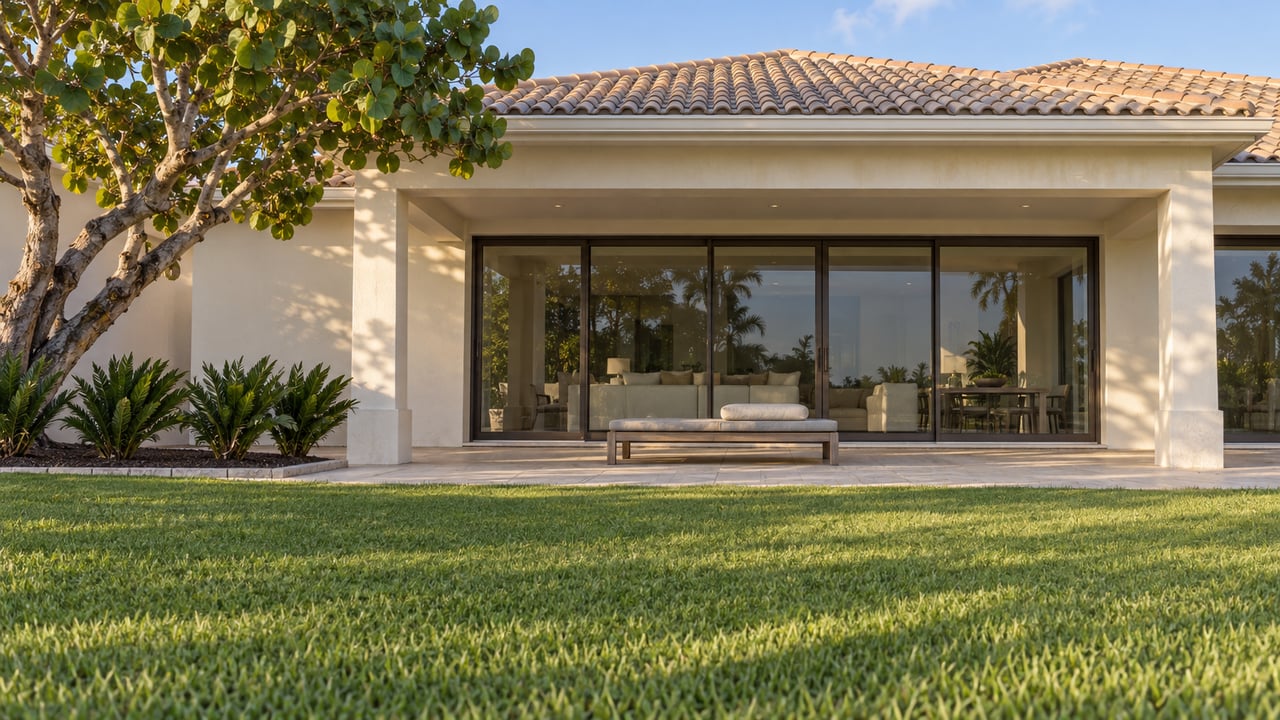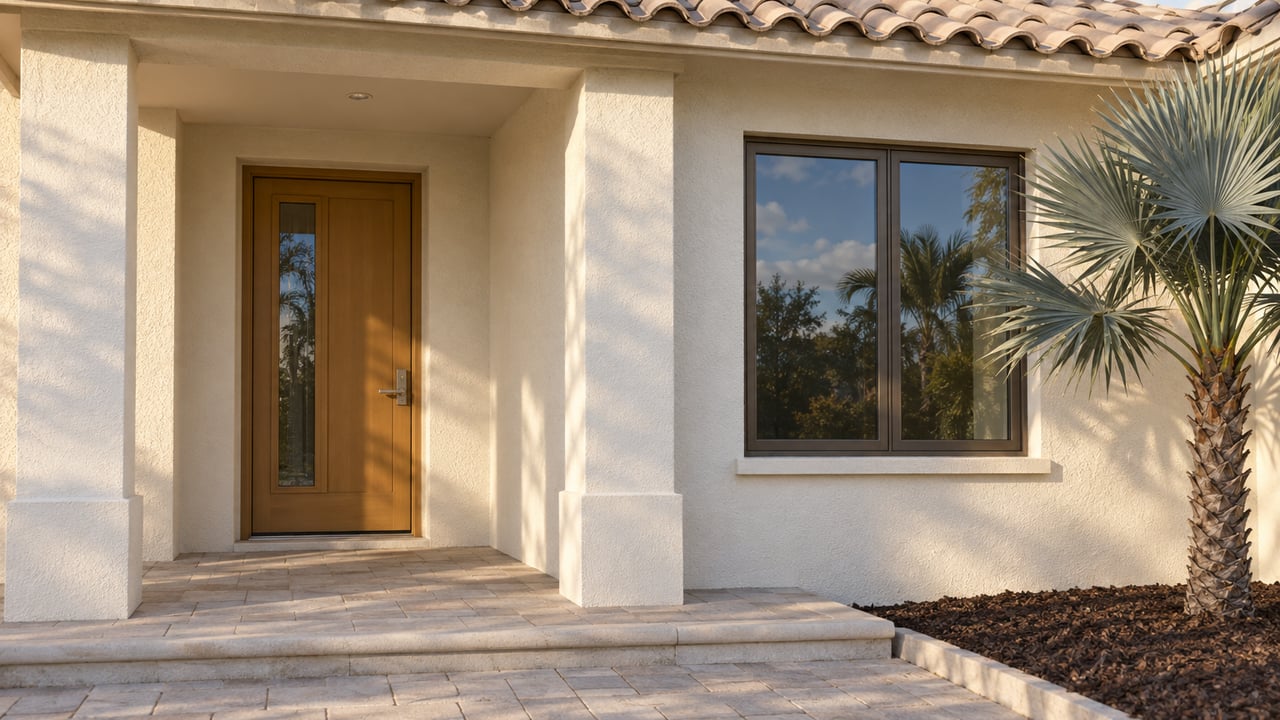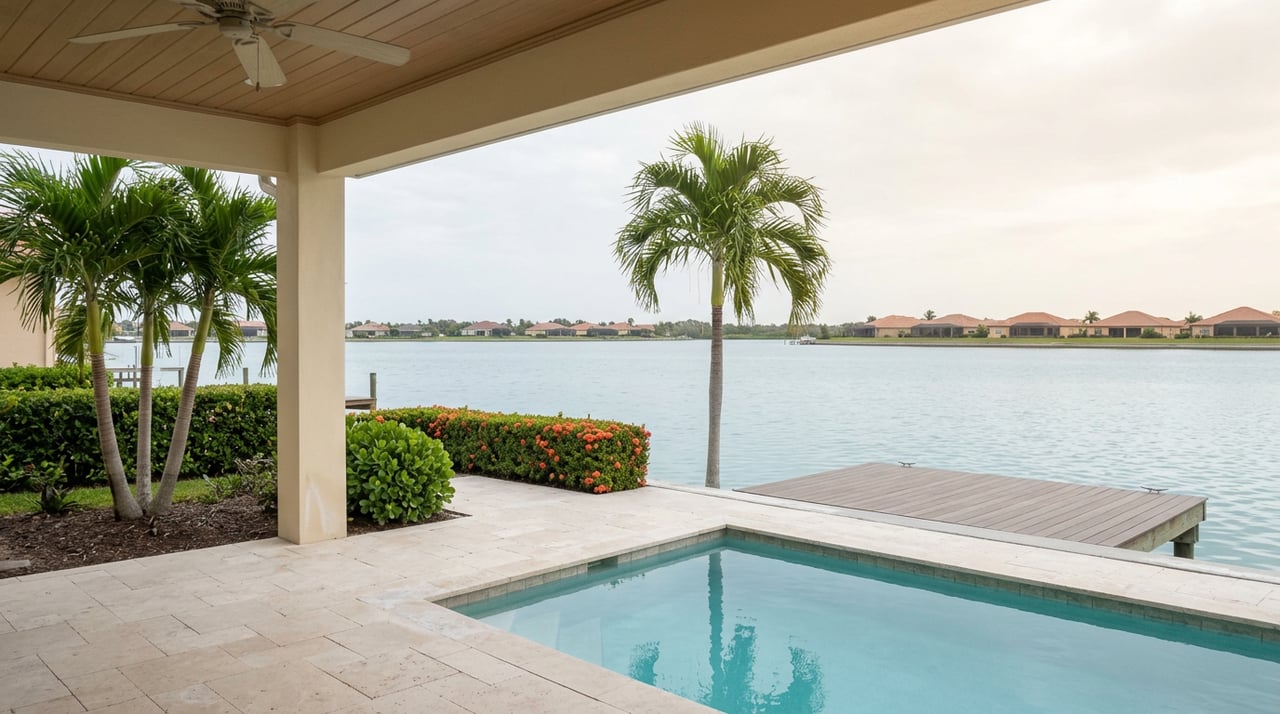
A buyer touring two canal-front homes on the same Saturday afternoon might see two nearly identical price tags. Same square footage, same dock, same view down the canal toward open water. What that buyer may not see on a listing sheet is that the two homes are carrying different seawall-related costs.
If one of those homes sits in Punta Gorda Isles or Burnt Store Isles, the seawall holding back the yard is owned by the City of Punta Gorda, so it isn't the owner's problem to fix alone. It belongs to the City of Punta Gorda. That single fact changes the math on what a canal-front purchase actually costs over time, and it's the kind of detail worth checking in tax bills and city council minutes instead of just comparing list prices.
The canal maintenance assessment
Every property in Punta Gorda Isles or Burnt Store Isles pays an annual canal maintenance assessment, a non-ad valorem charge that the Charlotte County Tax Collector includes on the November property tax bill, separate from any HOA dues. For fiscal year 2026, the City of Punta Gorda set that assessment at $1,350 per single-family parcel in Punta Gorda Isles and $1,010 in Burnt Store Isles. The rate gets reset every September at a public budget hearing, so anyone comparing homes today should confirm the current figure on the specific parcel rather than assume last year's number carries forward.
The gap between the two districts isn't arbitrary. Punta Gorda Isles covers about 91 miles of seawall and 45 miles of canal. Burnt Store Isles covers roughly 18 miles of seawall and 9 miles of canal. A bigger system costs more to maintain, so the bigger district pays a bigger annual share.
Two public utilities, not two HOAs
It helps to understand what this money is actually buying. Punta Gorda's canal system is split into two separate assessment districts, each with its own budget and its own resident-staffed Canal Advisory Committee that reviews spending and recommends rates to City Council. The Punta Gorda Isles district was created by city ordinance in 1996 specifically for the purpose of maintaining and, when necessary, rebuilding the seawalls, canals, and navigable channels inside its boundary.
That's a meaningfully different setup from how most Florida canal communities handle waterfront infrastructure. In those markets, replacing a seawall on a standard 80-foot residential lot can cost somewhere in the $30,000 to $50,000 range. In Punta Gorda Isles and Burnt Store Isles, the city inspects, prioritizes, and rebuilds seawalls as part of an ongoing public program funded by everyone in the district, not just the one household whose wall happens to be failing this year.
What Hurricane Ian actually tested
The clearest proof of how this structure performs under pressure came after Hurricane Ian. The storm destroyed more than six miles of seawall in Punta Gorda Isles and nearly a mile in Burnt Store Isles, damaging roughly 630 properties along the city's canals. Because the repair work fell under the existing canal maintenance districts, it qualified for FEMA and state disaster funding that covered about 95% of the cost, with the city covering the remaining 5% through the assessment fund.
Compare that to a private seawall owner facing the same storm in a market without this structure. That owner would typically be filing an individual insurance claim, negotiating with their own carrier, and hiring their own marine contractor, with no guarantee of disaster-funding coverage at all.
The repair program has been running for several years now, and its progress has been tracked in real time at monthly Canal Advisory Committee meetings. In March 2026, Public Works reported the Ian-related seawall replacement work in Punta Gorda Isles at roughly 86% complete, with two remaining zones described as the most work-intensive. By a June 2026 committee update, that figure had climbed to about 96% complete, with crews finishing backfill work on the last active sites and the city's contractor, Marine Contracting Group, sequencing the final zones.
That's not a one-time press release. That's a program still being worked, zone by zone, with a contractor on the payroll and a committee checking progress every month, this year, right now.
What the district still doesn't cover
The assessment buys a lot, but it doesn't buy everything. When a seawall segment comes up for replacement, the city handles the wall itself. The homeowner is still responsible for:
- Any damage to their own dock, boat lift, or davits during the work
- Moving boats out of the project area while barges and cranes are on site
- Irrigation lines, electrical conduit, and landscaping installed near the seawall cap
- Their own waterfront structures like docks, piers, and lifts, which the city regulates separately from the seawall program itself
The city also gives advance notice before scheduled work begins on a specific property, which matters because owners don't get to pick their own timeline. A wall gets rebuilt when its zone comes up in the program's sequence, not necessarily when the owner wants it done. For someone buying a home with a wall that's already flagged for near-term replacement, that's worth asking about directly, since it affects both the timing of any disruption and the seawall's remaining life.
Reading the two districts side by side
| Punta Gorda Isles | Burnt Store Isles | |
|---|---|---|
| Seawall miles maintained | ~91 | ~18 |
| Canal miles maintained | ~45 | ~9 |
| FY2026 single-family assessment | $1,350 | $1,010 |
| District created | 1996 | 1996 |
| Ian repair program status (June 2026) | ~96% complete | Program active, assessment updated for continued replacement |
Both figures are set annually, so anyone using this table to compare homes should still pull the current tax bill for the exact parcel before making an offer.
The number the median price never captures
A comparable-sales report or a listing's price history may not capture these differences. Two canal homes can carry the same asking price and different seawall-related costs. In Punta Gorda Isles or Burnt Store Isles, seawall maintenance is funded through a four-figure annual assessment, and the repair program continued after Hurricane Ian.
That's the actual comparison worth making when you're weighing a canal-front purchase here against a similarly priced one elsewhere on the Gulf Coast. The sticker price tells you what you're paying today. The assessment structure tells you what you might be exposed to later, and in these two districts, that exposure has already been shared out and stress-tested.
A few questions worth asking before you write an offer
Does this assessment apply to every waterfront home in the Punta Gorda area? No. Only parcels inside the Punta Gorda Isles or Burnt Store Isles district boundaries pay this specific assessment. Other canal or waterfront properties in the broader Punta Gorda market fall under different arrangements, so it's worth confirming which district, if any, a specific address sits in.
Is the canal maintenance assessment the same thing as an HOA fee? No. It's a city-levied, non-ad valorem charge. It's entirely separate from any homeowners association dues that might also apply to a given property.
Will next year's assessment be the same as this year's? Not necessarily. Rates are reviewed and reset every September through a public budget hearing. The FY2026 figures cited here are current as of this year's adopted budget, but anyone evaluating a purchase later in the year should check for the newly set FY2027 rate.
If you're comparing canal-front or waterfront properties across Punta Gorda, Port Charlotte, or the wider Gulf Coast and want help reading past the list price to what you're actually taking on, Jill Baldwin would be glad to walk through it with you. Let's Connect.
This article is general information, not legal, tax or financial advice. Consult a qualified professional about your situation.